
This is a manufacturing method for plastic parts with a low unit cost, making plastic injection moulding a fast and inexpensive production process for large volumes.
Plastic injection moulding is also an excellent solution for achieving high-quality surface finishes on your plastic parts.
We carry out plastic injection moulding using all types of materials: ABS, PC, PMMA, PS, TPE, TPU and more.
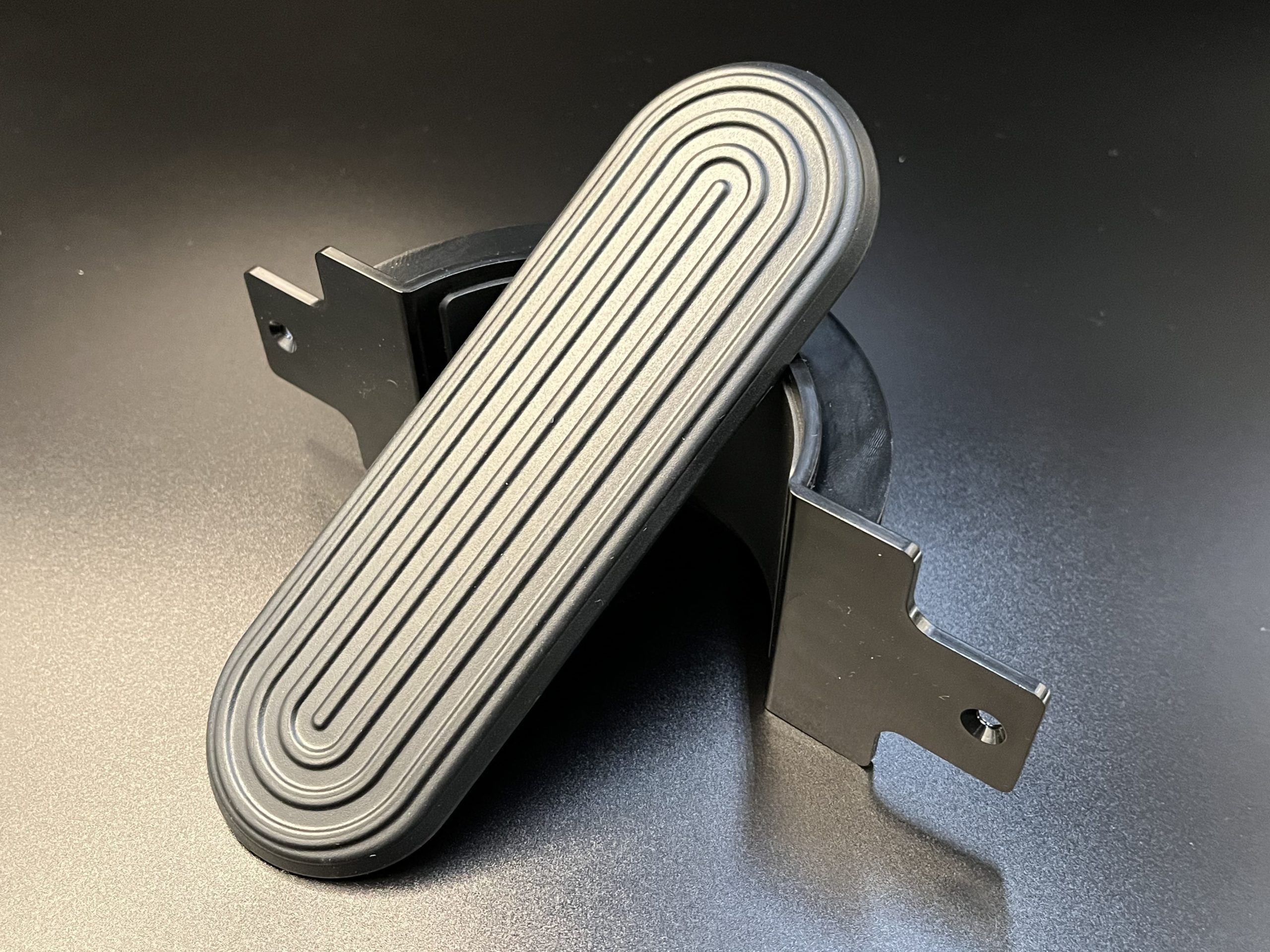
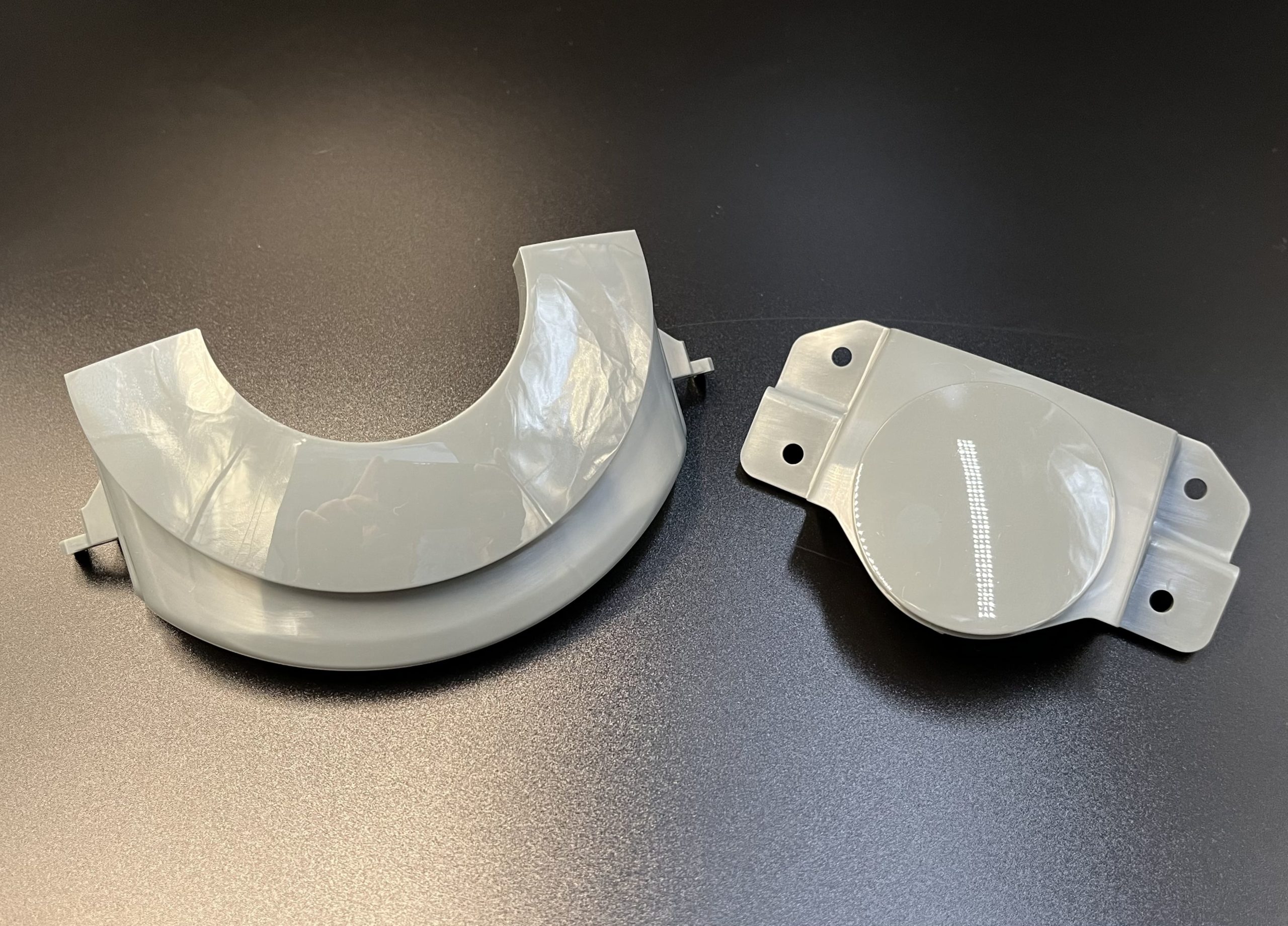
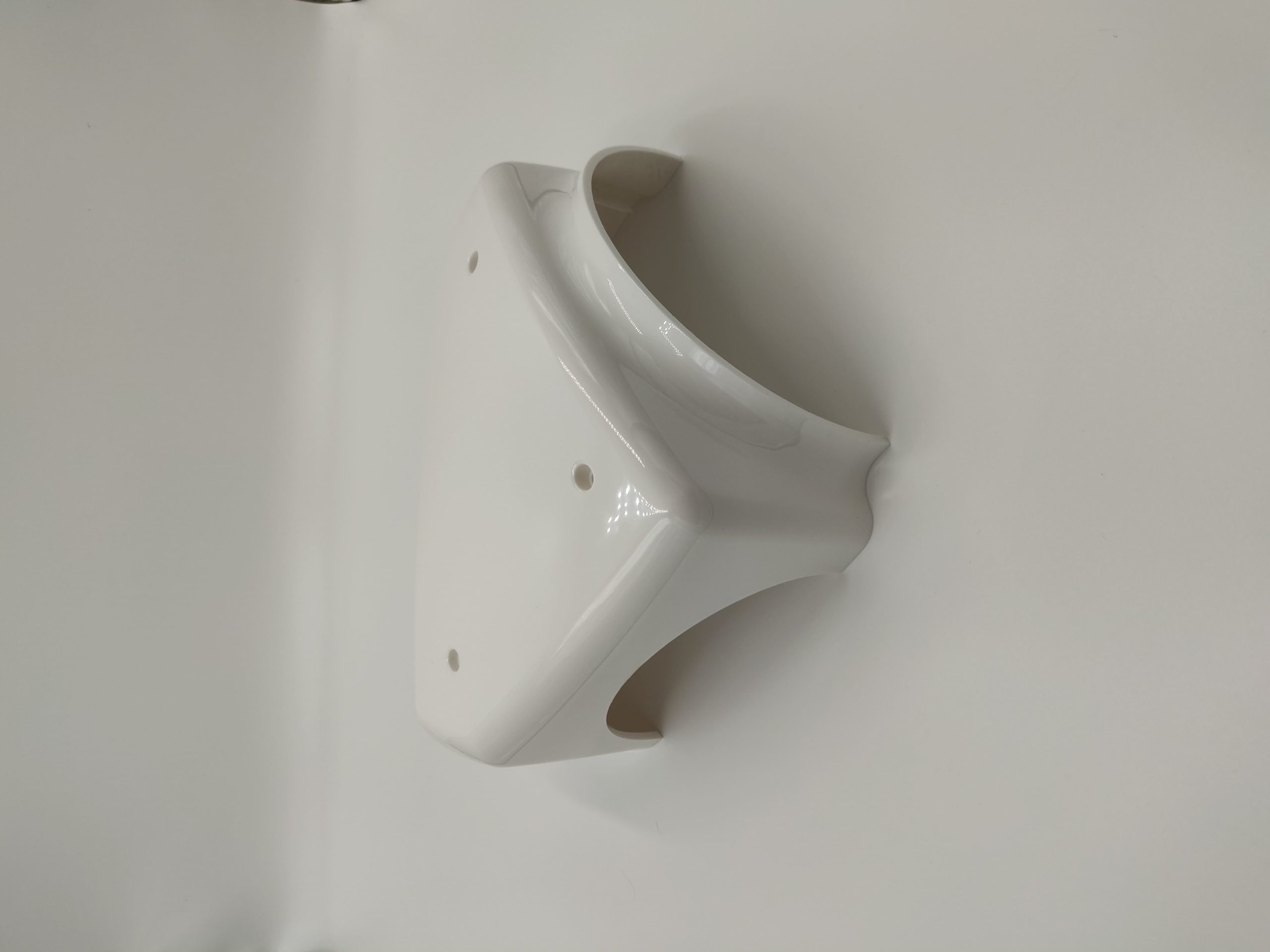
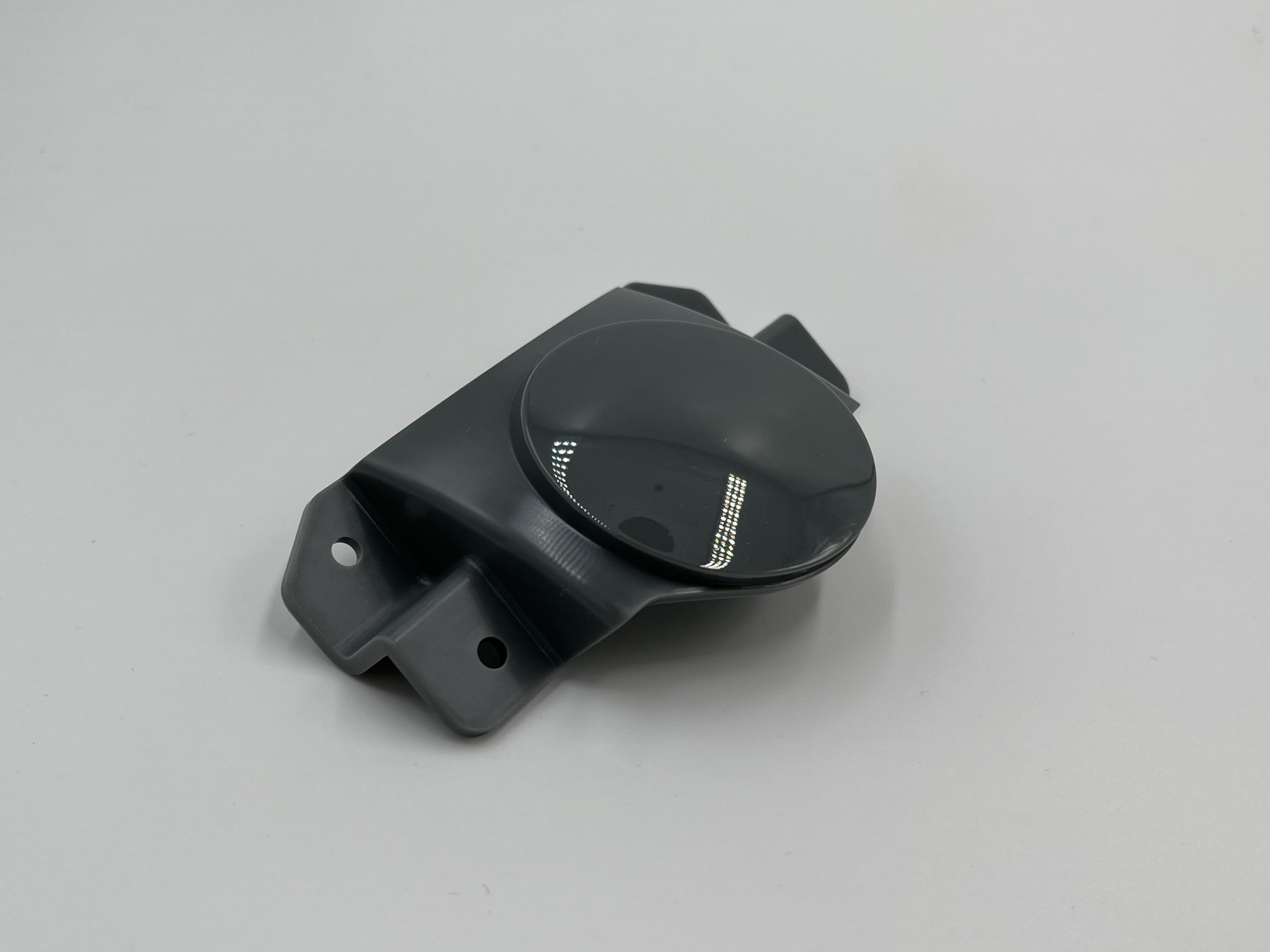
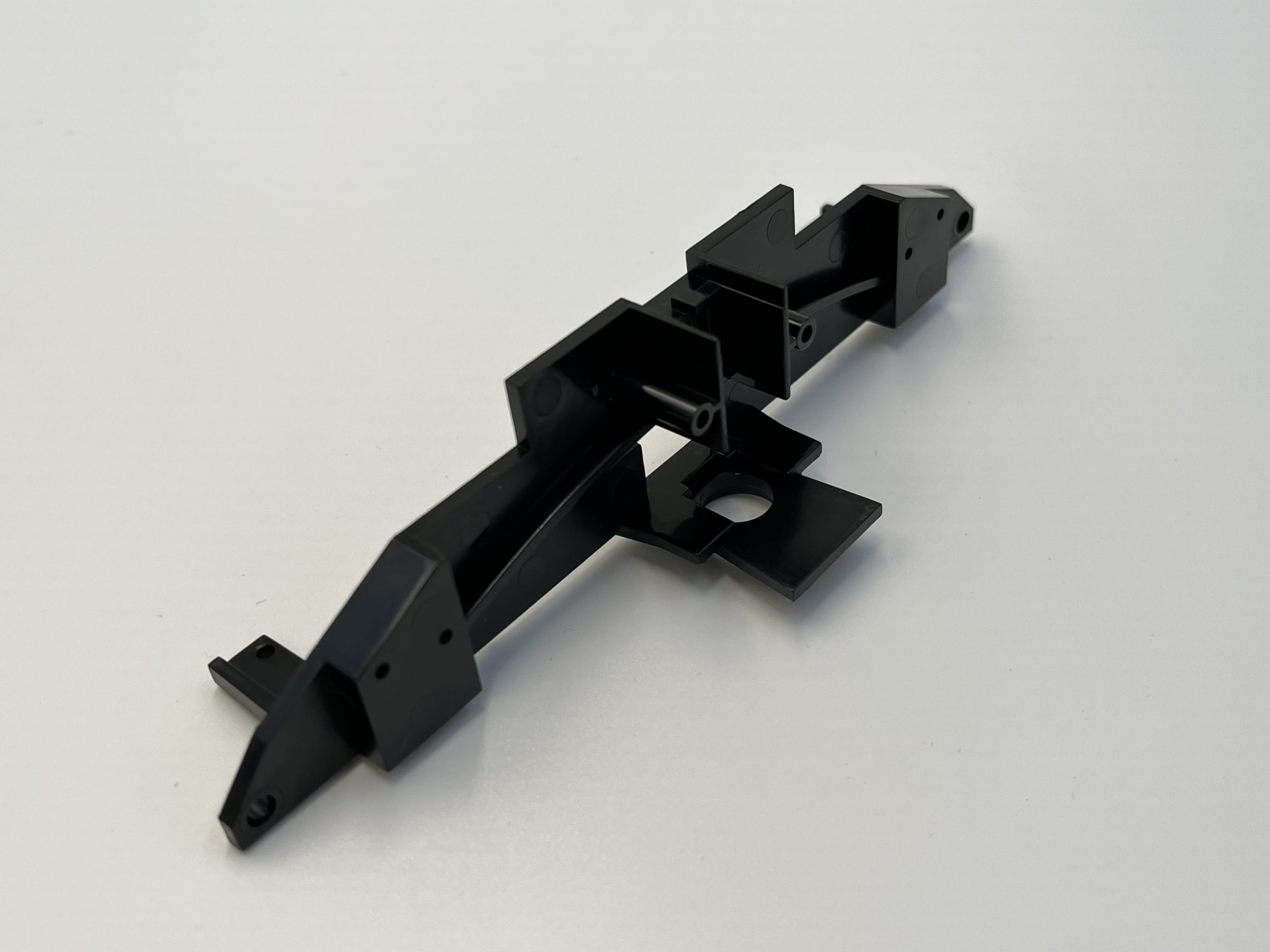
The plastic injection moulding industry
From aerospace and medicine to the automotive and food industries, plastic injection moulding is a well-established industry that has been widely used in all these sectors since the 1950s. Its productivity, quality and very low costs are among the factors that allow this industry to continue playing a major role in producing complex, high-quality components for technically demanding industries.
Mix Creative Manufacturing, your plastic injection moulding partner
If your project includes components that require plastic injection moulding techniques, you can be confident that our team will guide you throughout the entire process. We begin with a detailed review of the part design to check its feasibility for injection moulding. With your approval, we then adjust your part designs so they can be moulded easily, and advise you on the best choice of plastic material. Finally, we rigorously oversee tooling design and manufacture to ensure the best possible production results.
From conventional plastic injection moulding to two-shot moulding and overmoulding, our industrial expertise across the full spectrum of plastic injection moulding is at your service.
Plastic injection moulding
Drawing on our extensive experience in this field, we can manufacture custom plastic parts to your specifications using many different types of materials:
- ABS: Acrylonitrile Butadiene Styrene, excellent surface appearance, easy to mould and paint, inexpensive and very commonly used for electronic product housings.
- PA: Polyamide, an engineering material with very good mechanical strength, often reinforced with glass fibres to increase stiffness; used for technical parts subjected to mechanical stress.
- PC: Polycarbonate, a transparent material with very good mechanical strength, good impact resistance and a good surface finish, often used for visible parts that also require mechanical durability.
- PMMA: Polymethyl Methacrylate, excellent transparency, naturally UV-resistant and with a very good surface finish; used to mould high-quality transparent parts.
- PE: Polyethylene, a family of plastics with varied properties, ranging from flexible grades (LDPE) to rigid grades (HDPE). Often used for injection-moulded food-related products.
- POM: Polyacetal, an engineering material with useful mechanical properties, often used to manufacture parts subjected to friction.
- PP: Polypropylene, inexpensive, easy to mould and suitable for food-related products; widely used to make packaging.
- PS: Polystyrene, inexpensive, with a good surface finish but low mechanical strength and a brittle nature. It is used for parts that require a high-quality appearance without being subjected to mechanical stress.
- TPE: Thermoplastic Elastomers, a family of flexible materials used for injection moulding all types of parts.
- Tritan: a highly impact-resistant material used in food-related applications as a replacement for polycarbonate. Contains no BPA.
And more…
Plastic injection moulding is a highly economical and efficient solution for optimising the cost of your plastic parts in medium and large production runs.