Rapid Prototyping

At Mix Creative Manufacturing, your prototyping company, we offer a turnkey service from the 2D–3D design of your project through to the delivery of your series production.


Prototyping is an important stage in this process. Its purpose is to refine certain technical details of the design before industrialisation.

After defining your requirements together, we will send you a detailed quotation free of charge.


Our range of rapid prototyping solutions is extensive. We support and advise you step by step to help you choose the solution best suited to your needs.

The long-term objective is to help you prepare for industrialisation with confidence and successfully carry out series production of your project. The same technical expert remains available to you every day, from the start and throughout the entire project.

What Is Rapid Prototyping?

“An essential stage in completing the industrial engineering study.”


The term rapid prototyping covers all the techniques available for producing one or more examples of a new project to validate both its appearance and its function. It is called “rapid prototyping” because it allows a few examples of the product to be made quickly without developing all the tooling required for series production. Rapid prototyping is a pre-industrial technique that complements the industrial engineering study.


Different Rapid Prototyping Techniques


  • Plastic 3D printing : many plastic 3D printing techniques are available on the market, but only certain types are relevant to rapid prototyping: these include SLA 3D printing (stereolithography), SLS 3D printing (Selective Laser Sintering), FDM 3D printing (Fused Deposition Modelling) and material jetting 3D printing (DOD). 


FDM is the preferred option for individuals who want to make very simple prototypes themselves, without focusing on dimensional deviations or cosmetic appearance. 

To provide you with high-quality samples, we also use SLA and SLS techniques.


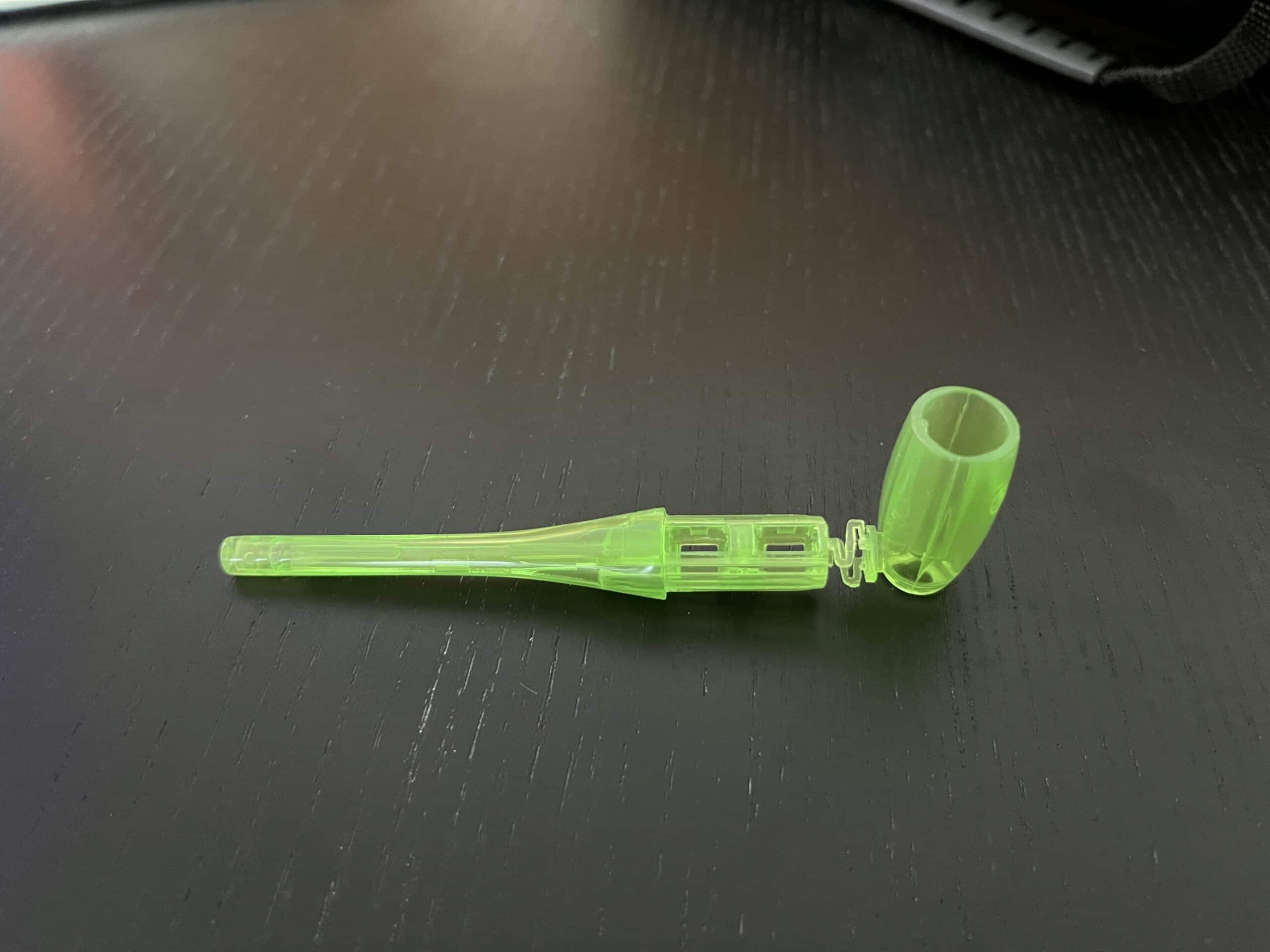
  • SLA 3D printing , also known as stereolithography, uses a laser to cure liquid resin into plastic through photopolymerisation. This technique is particularly suitable when cosmetic requirements are important, as its surface finish is better than that of an SLS solution.


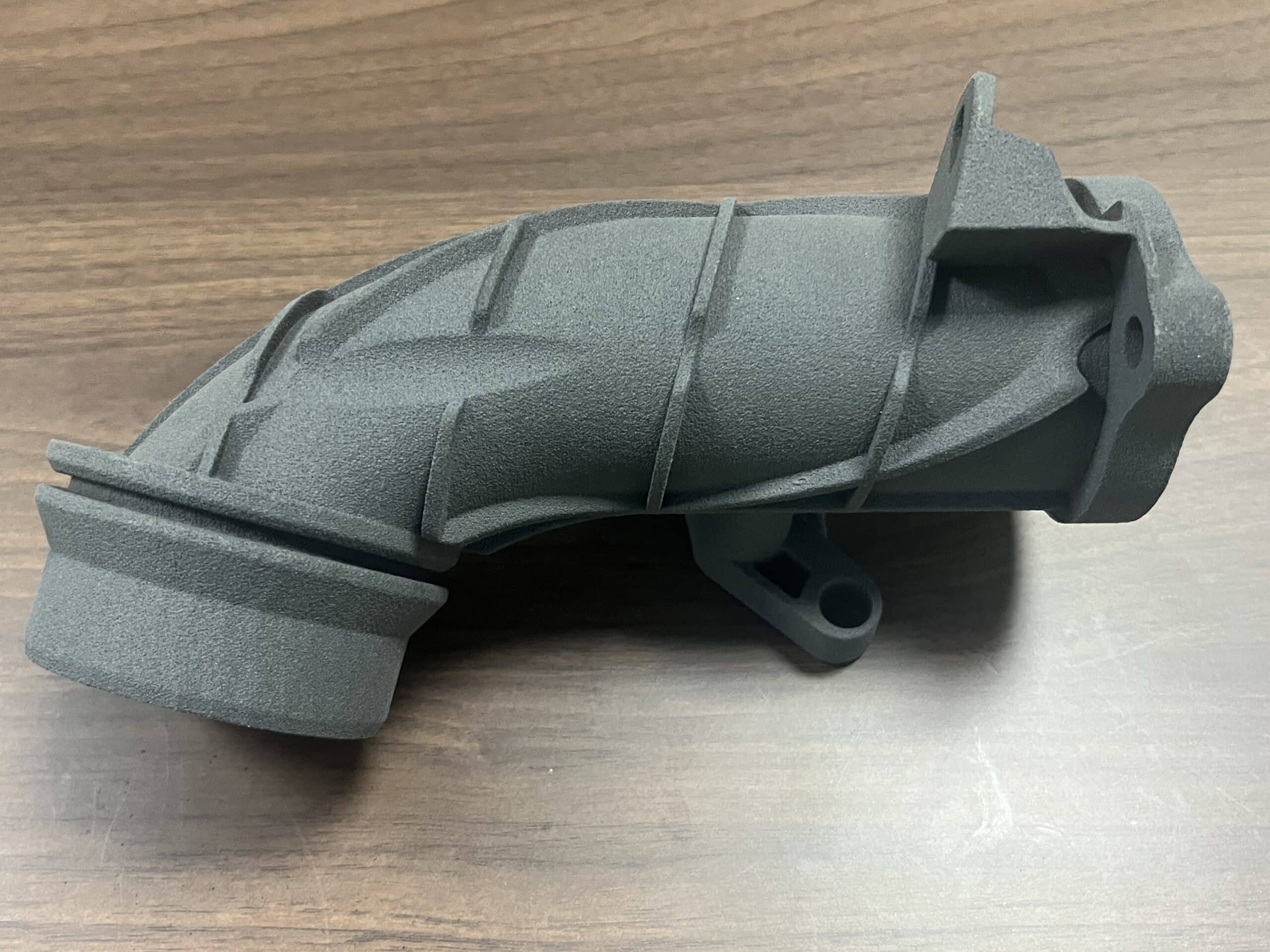
  • SLS 3D printing , on the other hand, is preferred for larger functional parts requiring tighter dimensional tolerances and greater strength.


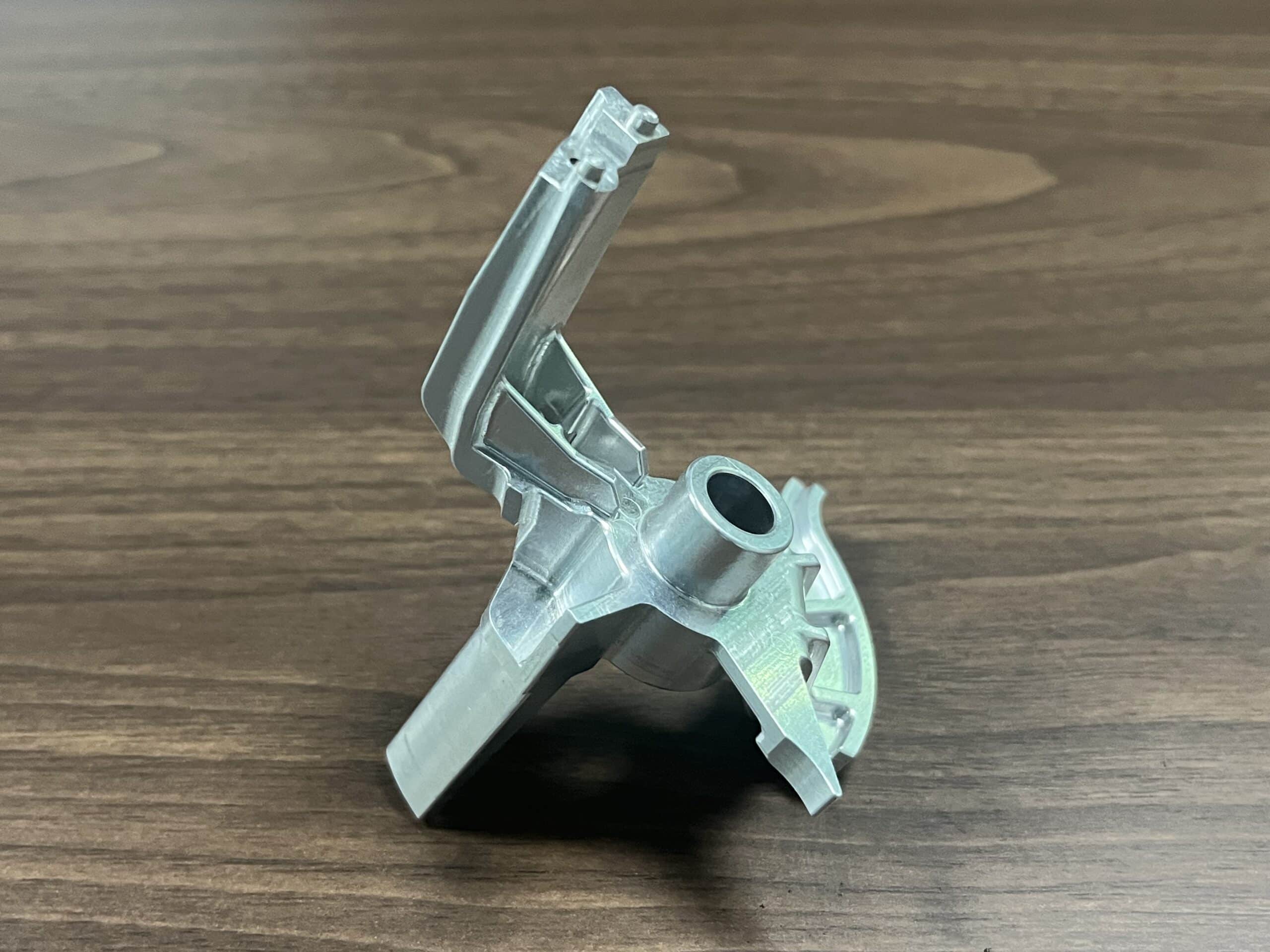
  • Metal 3D printing : this technique is mainly divided into three types: SLM (Selective Laser Melting), DMLS (Direct Metal Laser Sintering) and EBM (Electron Beam Melting). SLM uses metal powder whose particles are fully melted. DMLS, by contrast, uses a powder made up of different metallic materials with different melting points. Fusion takes place at a molecular level at high temperature. EBM uses a high-power electron beam to melt conductive metal powders layer by layer.


  • Laser cutting : to cut components with generally flat profiles, we use a machine whose laser cuts through a sheet of material. Depending on the laser fitted to the machine, different materials can be cut, including metal, plastic, textiles, paper, composites and glass. Simple, quick and economical, laser cutting is frequently used for prototypes containing metal components. For metal parts it is also very often combined with bending , allowing more complex parts to be produced.


  • Wire EDM cutting : this industrial process uses a machine that sends electrical discharges through a block of conductive material, producing sparks. Reaching temperatures of between 8,000 and 12,000 degrees Celsius, these sparks remove microscopic particles from the material, allowing fine cuts and complex shapes to be created. This technique is often used for parts where cosmetic appearance is not essential. Otherwise, CNC machining will generally be preferable.


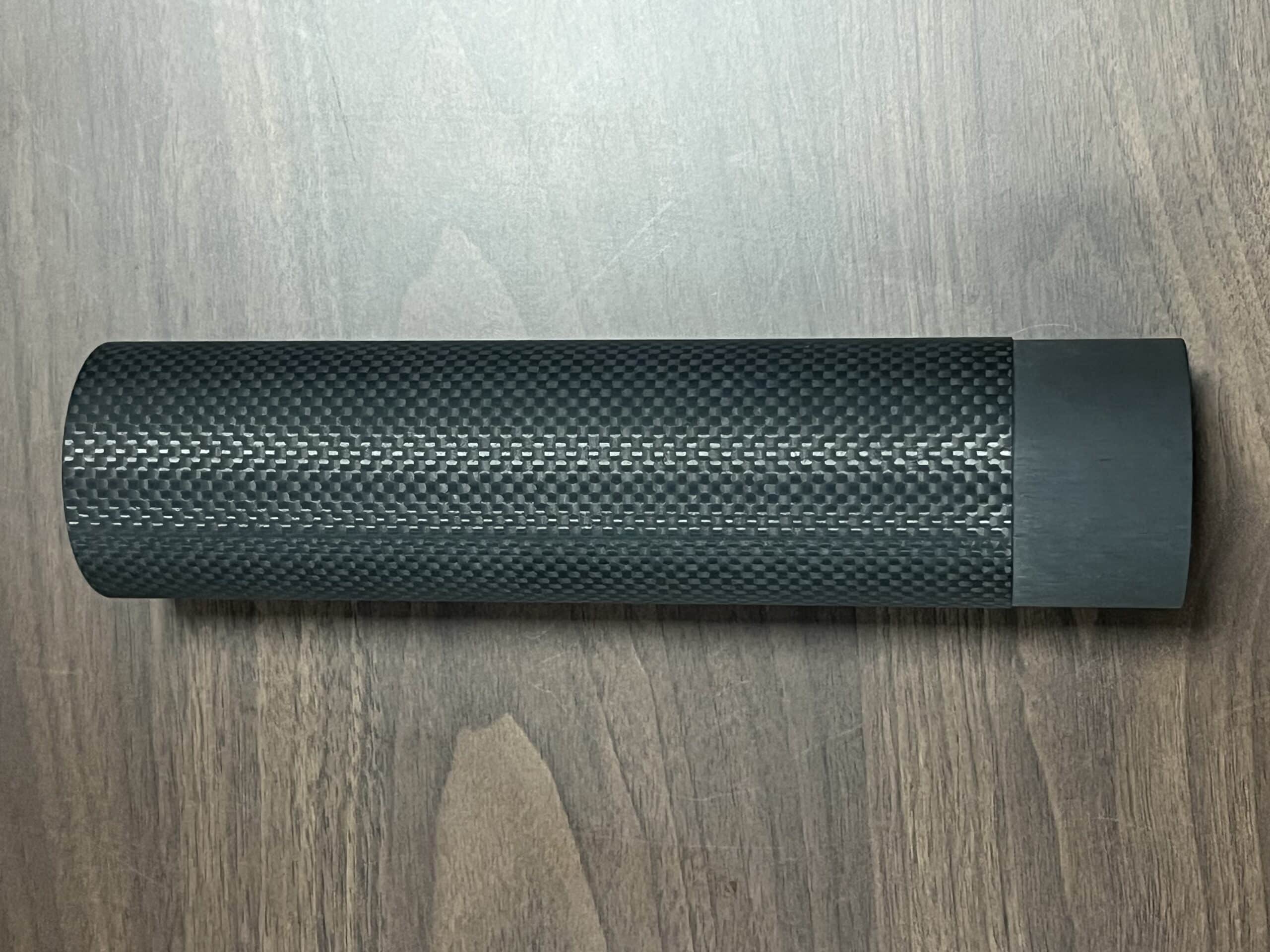
  • CNC machining : drilling, turning and milling are the three main operations associated with CNC machining. Whether working with wood, plastics (PC, ABS, PMMA, PTFE, etc.), composites or metals (stainless steel, copper and aluminium), CNC machining is a fast, accurate technique ideally suited to rapid prototyping. Unlike laser cutting, CNC machining can produce components with complex geometric profiles in both large and small volumes. Finally, unlike wire EDM cutting, CNC machining allows cosmetic surfaces to be produced.


  • Silicone mould casting : this technique is frequently used in rapid prototyping. It involves casting parts in silicone moulds using different types of plastic resins. Small quantities can therefore be replicated in the same silicone mould, at a substantially lower cost than a plastic injection mould made of steel.


  • Prototype moulds : these are simplified plastic injection tools used to produce short runs of injection-moulded plastic parts. Unlike steel production moulds, a prototype mould is made of aluminium , which reduces and simplifies machining while providing greater flexibility when modifications are needed.  It also has the advantage of being quicker to produce and considerably less expensive than a production mould. The main functions of aplastic injection mould, such as guidance, cooling and thermal regulation, are also simplified in prototype moulds.

Rapid Prototyping with 3D Printing


At the start of mechanical development, whether a project is complex or not, it is important to confirm that the proposed mechanical design functions correctly, very quickly and at low cost. Both for our prototyping company and for our clients, we regularly use this reliable rapid prototyping technique to avoid many errors early in the project. For this type of requirement, we mainly use 3D printing technologies. Below are a few examples:


  • Material jetting 3D printing : DOD (Drop on Demand) is a 3D printing technology that uses a pair of inkjets. The first jet deposits the build material and the second adds the support material. This computer-assisted method deposits material at specific points through a jet, creating the cross-section of your component layer by layer.


  • Powder bed fusion (metals and plastics) : SLM, DMLS, EBM / SLS
    Whether using a laser beam, a UV light beam or an electron beam, these techniques fuse thin layers of metal powder using technologies such as SLM, DMLS and EBM. SLS follows the same approach, except that it is applied to polymers rather than metals.


  • Vat photopolymerisation : SLA, DLP, CLIP, DPP
    This 3D printing method uses an energy source to selectively cure a liquid photopolymer held in a container. SLA (Stereolithography) and DLP (Digital Light Processing) are the most frequently used processes for rapid prototyping.  CLIP (Continuous Liquid Interface Production) offers advantages in production speed, but, like DPP (Daylight Polymer Printing), it remains less widespread.


  • Material extrusion : FDM (Fused Deposition Modelling)
    This technology is very often used for reliable rapid prototyping with 3D printing. FDM, also known as fused filament fabrication (FFF), is the most widely used type of 3D printing. It works by extruding thermoplastic filaments, such as ABS (acrylonitrile butadiene styrene) or PLA (polylactic acid), through ​​a heated nozzle, melting the material and depositing the plastic layer by layer until the part is complete.


Depending on your requirements, we can produce your 3D-printed prototypes using the most appropriate technique. SLA, SLS and FDM remain the most widely used rapid prototyping solutions, enabling models to be produced quickly while maintaining good cosmetic and dimensional quality. Each technique has its own advantages and disadvantages. The Mix Creative Manufacturing team will help you determine which method best suits your needs.

Different Materials Used for Rapid Prototyping


The materials selected for your rapid prototypes depend on the techniques used, which in turn depend on your requirements: cosmetic appearance, functionality, quantities and schedule.


Wire EDM cutting works only with electrically conductive metallic materials, such as iron, steels, aluminium, copper and silver. DMLS, SLM and EBM metal 3D printing also use many types of alloys, including aluminium, stainless steel, titanium, chromium, bronze, tungsten and cobalt, as well as other superalloys and precious metals such as silver and platinum. In metal 3D printing, these materials are supplied in the form of metal powder.


Plastics are the only materials used for silicone mould casting and prototype moulds. With a prototype mould, you have access to most plastics used in conventional injection moulding: ABS, PC, PMMA, PS, PE and more. Silicone mould casting, on the other hand, uses differentliquid plastic resins , including epoxy or silicone resins, to achieve different results such as PC-like or ABS-like materials.


For 3D printing, depending on the technology selected, many plastics are also available, including ABS, PLA, polyamide, PET and HIPS.


Rapid Prototyping in Aluminium


The primary purpose of a prototype is to bring the client as close as possible to the final result they will receive from series production, in both appearance and functionality. It is therefore important to use the same materials wherever possible.


That is why, over the years, our prototyping company, Mix Creative Manufacturing, has developed particular expertise in rapid prototyping in aluminium, as well as other materials such as stainless steel, bronze and special alloys. This involves various techniques, including machining, bending, metal3D printing and metal extrusion.


We deliver convincing results in both dimensional accuracy and surface finish. At the start of your project, rapid prototyping in aluminium offers an alternative to aluminium die-casting tools , which are much more expensive and intended for larger production runs.

Contact us for more information